
Leading in the Moment: What the FBI National Academy Taught Me About Unified Command
By Craig Chew, Business Development Manager, LeoSight (FBINA 248)
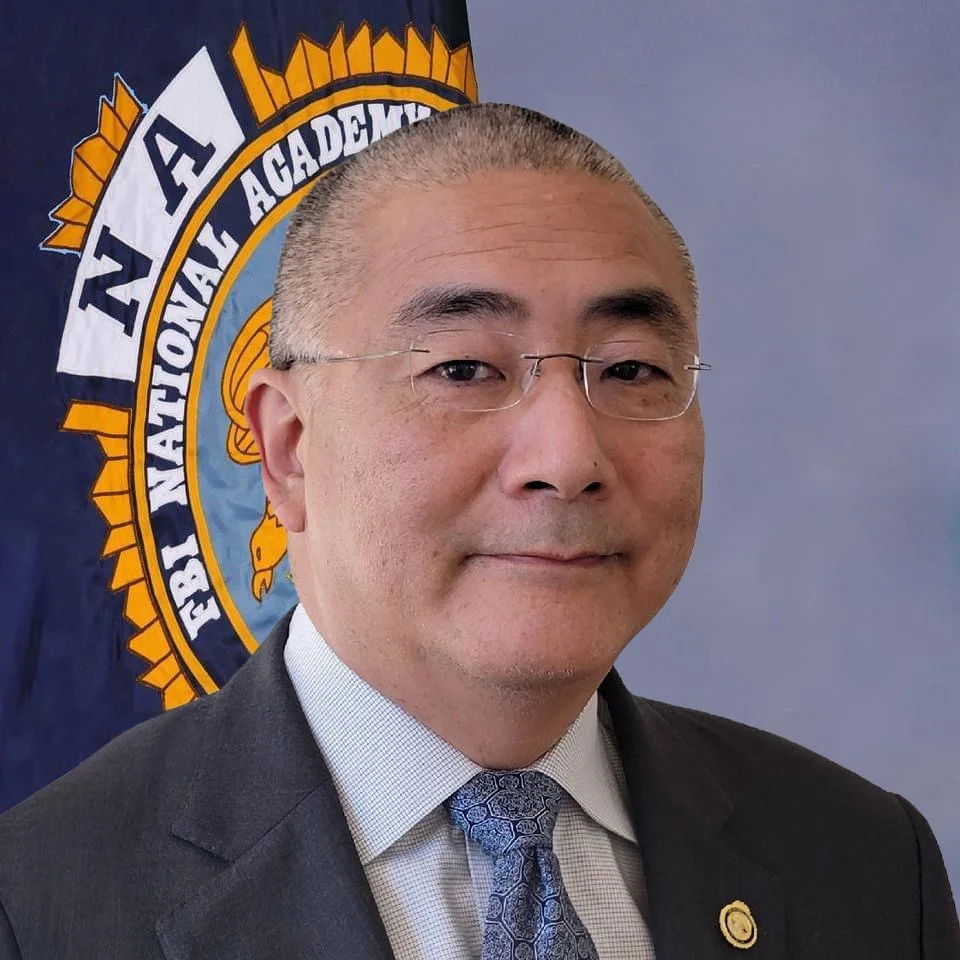
Leadership has been the throughline of my entire career: from my early days as a police officer, to more than two decades with the Alameda County District Attorney’s Office, to corporate security, and now supporting agencies across the West Coast at LeoSight.
But no experience shaped my understanding of leadership more profoundly than my time with the FBI National Academy (FBINA). Anyone who has been through the program knows it’s not just training. It’s a transformation. For weeks at Quantico, seasoned law enforcement professionals come together to challenge themselves, sharpen their thinking, and form the kind of relationships that stay with you forever.
The FBINA taught me that leadership is not about the position you hold, but it’s about how you bring people together when clarity is hard to find, time is short, and the margin for error doesn’t exist.
Those lessons have never been more relevant than they are today.
Leadership Is About Shared Purpose, Not Rank
One of the core principles drilled into us at the Academy was simple:
Leadership is the ability to align others around a shared mission, even when no one in the room reports to you.
That’s the daily reality of public safety. Especially during critical incidents.
Local officers, fire, EMS, county emergency management, mutual aid partners… no one has time to debate who’s in charge. The job is to move with purpose, communicate clearly, and act in a way that strengthens the entire team.
The FBINA prepared us for that kind of leadership:
Collaborative
Mission-driven
Humble
Unifying
And able to operate across different organizations, cultures, and communication styles
This is exactly the mindset required for Unified Command. And it’s why so many FBINA graduates end up leading complex incidents, task forces, or regional responses.
Because they’ve been trained to lead across agencies, not just within their own.
The Hardest Part of Leadership: Bringing Clarity Into Chaos
If you ask any first responder what creates the most friction during large-scale events, they’ll rarely say “people” or “resources.”
They’ll say lack of clarity.
At the Academy, we spent hours walking through case studies where incidents unraveled not because responders failed, but because the information failed them:
One agency had visibility, others didn’t
Communications were fragmented
Updates were inconsistent
Teams formed different mental pictures of the incident
Leaders made decisions based on what they saw, not what everyone saw
You cannot lead confidently when everyone is seeing something different.
The FBINA teaches you that leadership is not just about making decisions: it’s about ensuring the right people have the right understanding at the right time.
That is the foundation of Unified Command. And that is the foundation of LeoSight.
Why I Joined LeoSight: Technology Should Support Leadership, Not Replace It
After retiring as Chief of Inspectors and later serving as Kaiser Permanente’s National Director of Corporate Security Investigations, I had seen enough to know one truth:
Public safety doesn’t need more tools… it needs more clarity.
When I joined LeoSight, it was because I saw a platform built around the exact principles the FBINA instills:
Alignment across agencies
Shared understanding of the moment
Coordinated action without confusion
A common operating environment everyone can trust
The ability to see, talk, and do in sync
LeoSight doesn’t replace leadership. It enables it.
It gives leaders the visibility they need to make confident decisions.
It gives teams the clarity they need to stay aligned.
And it gives communities the coordinated response they deserve.
This is leadership at scale, supported by technology, not dictated by it.
Unified Command Is Leadership in Its Purest Form
If there’s one lesson I carried from the FBINA into every role I’ve held, it’s this:
Leadership is about removing friction so people can do the job they’re trained to do.
Unified Command embodies that idea.
It breaks down silos.
It empowers each discipline to contribute their expertise.
It creates a shared mission that everyone can act on with confidence.
And that’s exactly what LeoSight brings to life in the field.
We are helping agencies:
Connect across jurisdictions
Share the same real-time understanding
Communicate without barriers
Coordinate without hesitation
Lead with clarity, not guesswork
This isn’t “technology for technology’s sake.” This is technology that reflects the best leadership practices taught at the Academy and refined on the street.
A Final Thought: Leadership Is a Shared Responsibility
The FBINA reminds you that leadership isn’t a badge you wear - it’s a responsibility you carry.
Every responder, dispatcher, investigator, supervisor, and chief plays a role in how an incident unfolds.
Unified Command honors that shared responsibility.
LeoSight supports it.
And leaders across the country are ready for tools that help them bring people together, not pull them apart.
It’s an honor to help them do that.
If you’re exploring how Unified Command can better support leadership during critical incidents, I’d be happy to share what we’re seeing across agencies nationwide.
Contact me at cchew@leosight.com
